
Leadership & Team
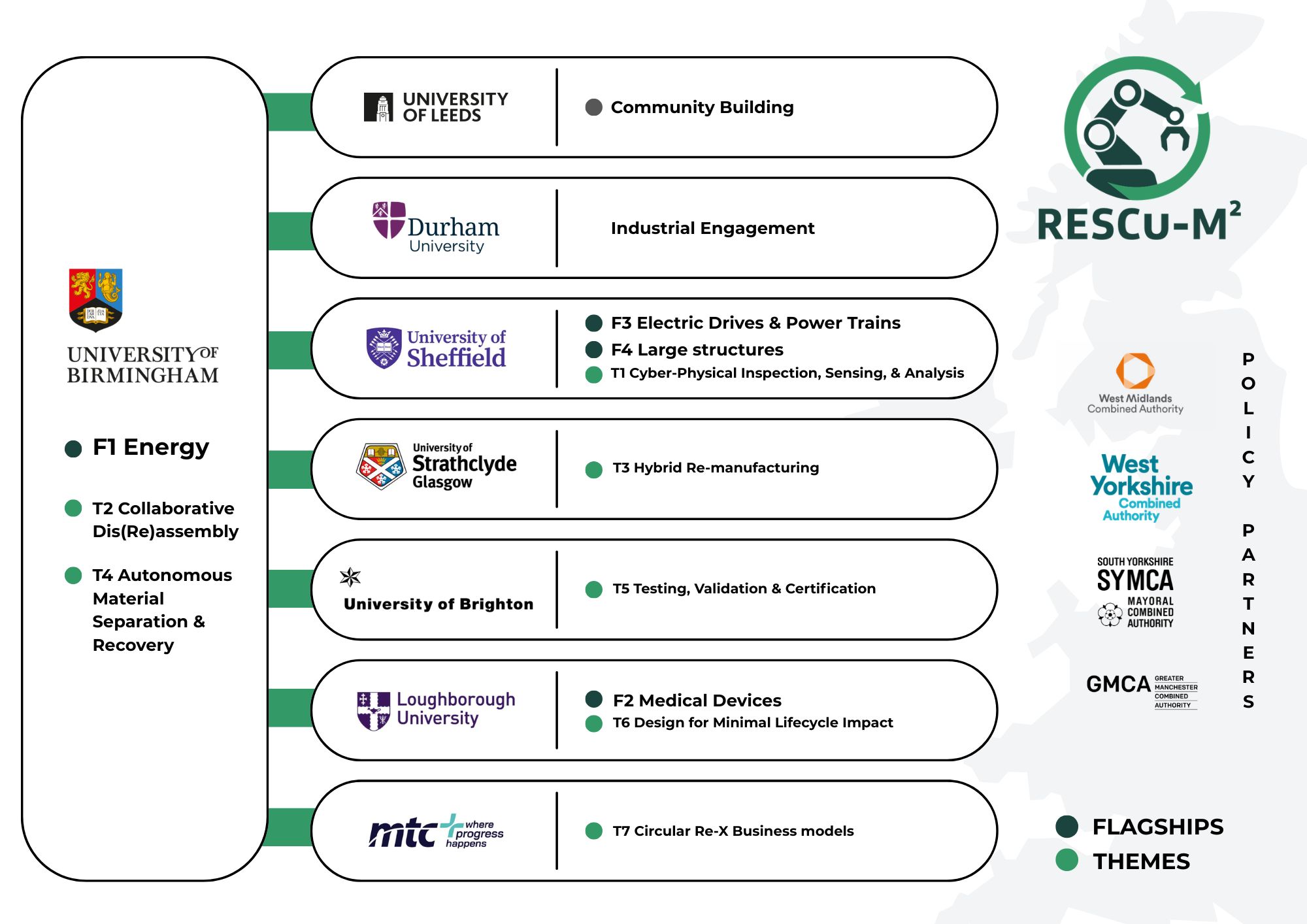
The RESCu-M2 Hub features a UK-wide network of academic institutions, regional authorities and industry. Led by the University of Birmingham, the Hub comprises centres of excellence in Durham, Loughborough, Sheffield, Strathclyde, Brighton, Leeds and Manufacturing Technology Centre (MTC). These form the spokes encompassing the key lifecycle stages of manufactured goods, establishing regional foci for specialist areas within Re-X processes, and bringing complementary capabilities in Robotics, AI & IoT, Value Retention Processes (VRP), Sustainability modelling and Materials.
Each partner in the network will focus on a scientific theme related to Re-X processes facilitated by robotics and AI. Alongside this, our four flagship areas – Energy, Medical Devices, Electric Drives and Powertrains, and Large Structures – will focus on the translation of knowledge gained in the scientific work packages, and ensure that our research programme is aligned to industry priorities.
Leadership
Samia Nefti-Meziani
Niels Lohse

Robert Richardson
Steve Davis
Samia Nefti-Meziani
Organisation: University of Birmingham
Professor Nefti-Meziani is an international leading expert with 25 years of experience in AI and robotics. She has recently been awarded an Order of the British Empire for her services to Robotics and featured as the 2020’s top 30 world’s women in robotics you need to know about by Silicon Valley Robohub, the largest scientific community in robotics.
She has a well-established track record and has published extensively in the aforementioned areas (more than 200 publications) which have appeared in very high impact factor journals and the most prestigious international publications in Robotics, Computer science and Engineering. She has made fundamental contributions in low-cost robotics technologies has developed wider practical cross-sectorial technologies through numerous commercial and research projects, funded by EU, EPSRC, RE, Innovate UK, RGF and ERDF and has pioneered their use in many sectors including Food, Agriculture, Nuclear, Transport, Aerospace and Healthcare through several projects. These technologies include force augmentation exoskeletons, haptic gloves, soft sensors, dextrous and novel end-effectors.
As part of the £8.5 million Integrated Innovation in Nuclear Decommissioning competition, led by Wood and funded by the NDA, Innovate UK and BEIS, her robotics solution was part of the technologies selected to pass to the third stage of the competition for the final demonstration on Sellafield site planned for 2024.
Professor Samia has extensive experience of leading and managing large scale multidisciplinary research projects, cross sectorial as PI and Co-I, including Marie Curie ITN SMART-E (£4M) in robotics for suitable manufacturing and the Northwest Centre in Food Automation (£5m).
More recently she has led the development of the new multi-million pounds (£18M) North of England Robotics Innovation Centre co-funded by ERDF and Research England. She has also led the development of the centre of excellence in Intelligent Automation for supply chain 4,0. She was a Co-I on the £23M Advanced Machining and Productivity (AMPI) Strength in Places, and the £25M EPSRC National Hub in Robotics and Future AI for Space Technology (FAIRSPACE). Her research has attracted significant national media coverage, on Sky, the BBC, ITV and Granada, in addition to print and online media.
Professor Samia with the support from Sellafield, NDA and the EPSRC Autonomous Intelligent systems partnerships (AISP) established the National Robotics Network (NRN), which is an associate partner of the UK RAS-SIG as a forum to promote Robotics and Autonomous systems in different sectors. Its membership includes a range of leading nuclear sector organizations and other sectors involving Oil and Gas, Offshore, Space, Transport, etc. She has worked seamlessly with the partners in providing underpinning technical expertise to guide the NRN strategy, delivery model and the roadmap. This work has been part of the consultation discussion with EPSRC and Innovate UK, which has helped inform the RAI thematic priority of the £395m Industrial Strategy Challenge Fund.
She is the former Vice Chairman of IEEE Robotics and Automation UK & RI, Co-director of the EPSRC National Hub in Robotics and Future AI for Space Technology (FAIR-SPACE) and Associate Editor of IEEE Transactions on Fuzzy Systems and she is serving as an Advisory board member for the RGP, the Asian council and the EPSRC centre for innovative manufacturing and intelligent Automation. She is also a member of the Physical Sciences Research Council (EPSRC) Peer Review College and reviewer for UKRI, Finland research funding agency and EC.
Chaired by DSIT, she is currently the lead on the UK Cross-Industry RAS Development Task Force initiative, funded by EPSRC, which aims at shaping the policies and initiatives for the UK’s effort to develop a world-leading market and innovation environment for exploiting advancements in RAS. This task force involves Industry influencers, many national infrastructure organizations, including DFT, DEFRA, NHS, UK Space Agency, Lower Thames Crossing, Sellafield Ltd, Network Rail, National Highways and many others from the UK- Cross Industry RAS Development Task Force Network.
Niels Lohse
Professor Niels Lohse is a Deputy Director of the Hub and Professor of Manufacturing Automation and Robotics at the University of Birmingham. He supports the Hub Director and leads the scientific work programme, drawing on his extensive experience in intelligent automation, robotics, and AI. A specialist in human-robot collaboration and smart manufacturing systems, Professor Lohse ensures that cutting-edge research is translated into practical, scalable solutions. He also provides a vital interface to the Co- AIMS research hub, strengthening cross-hub collaboration on sustainable, human-centred automation.
Robert Richardson
Professor Robert Richardson, Director of Impact, is a Professor of Robotics at the University of Leeds, leading the Real Robotics Lab. His research focuses on real-world robotic systems operating in the diverse environments of air, land, and underwater; supported by foundational research into manufacturing technologies, control and actuators. Between 2019 and 2023, he was Executive Chair of the EPSRC UK Robotics and Autonomous Systems (UK-RAS) network, with a strong focus on academic engagement and collaboration.
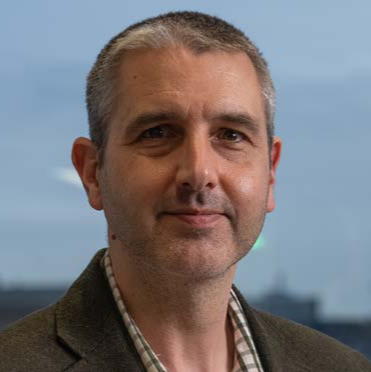
Steve Davis
Dr Steve Davis has more than 25 years’ experience in the field of robotics and is currently a Senior Research Fellow in Robotics at the University of Birmingham. Steve’s research covers many areas of robotics with a specific focus on manufacturing, dexterous robot hands, end effectors, grasping and manipulation, human-robot interaction and collaboration, soft robotics and biologically inspired robot systems. He has worked with many industrial sectors, including automotive, energy (nuclear) and space and has received funding from UKRI, Innovate UK and the EU, in addition to industry-funded research.
Co-Investigators
Agata Suwala
Allan Walton
Ales Leonardis
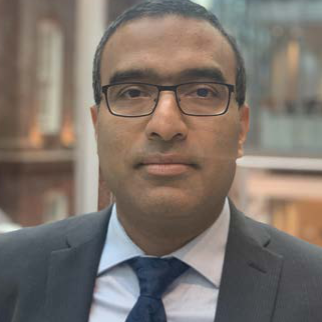
Ashutosh TiwarI
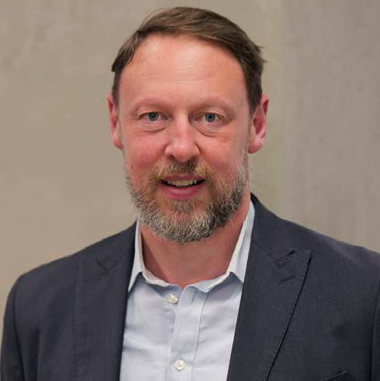
Andrew Dove
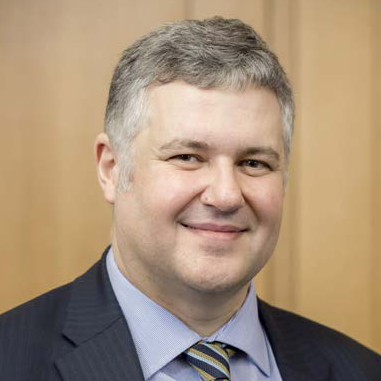
Clive Roberts
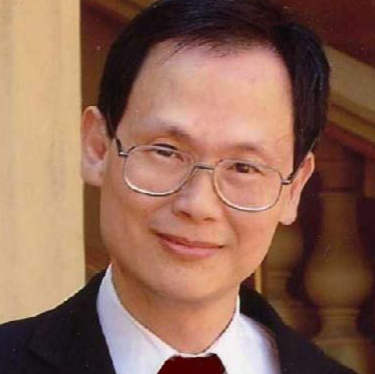
Duc Trouong Pham
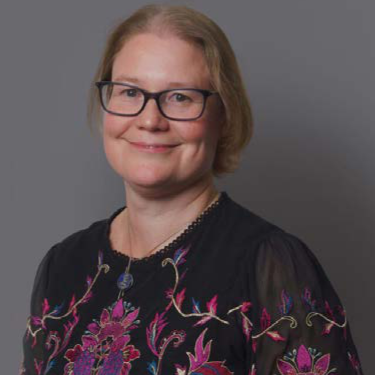
Emma Kendrick
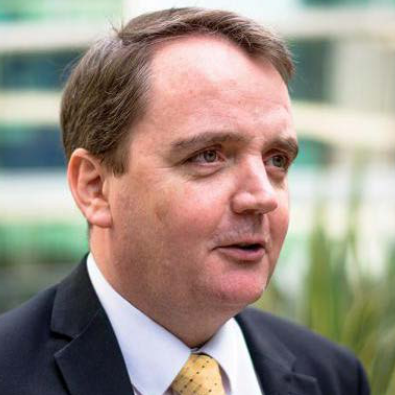
Geraint Jewell
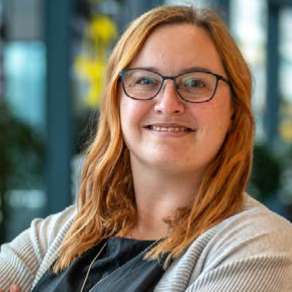
Justyna Rybicka
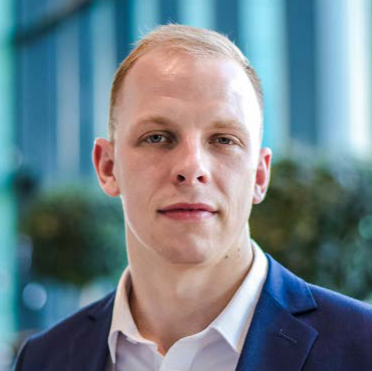
Karol Janik
Martin Freer
Moataz Attallah
Niels Lohse
Robert Kay
Robert Richardson
Shahin Rahimifard
Steve Davis
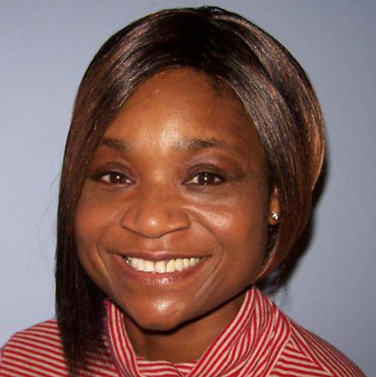
Winifred Ijomah
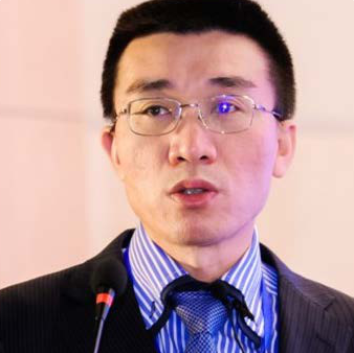
Xichun Luo
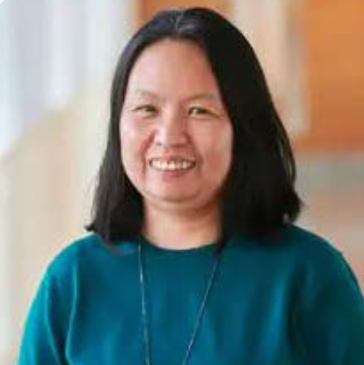
Yan Wang
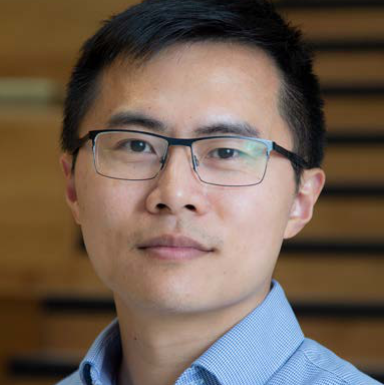
Yongjing Wang
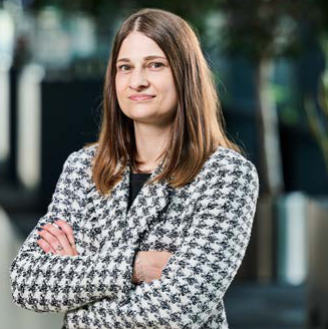
Agata Suwala
Ms. Agata Suwala is a Technology Manager for Automation and Robotics at the MTC. With ten years’ experience in research and development, she specialises in automation and robotics implementation, particularly in the aerospace industry. She has co-ordinated and delivered a number of research and direct projects for automation in aerospace manufacturing, working in collaborative and multi-functional teams.
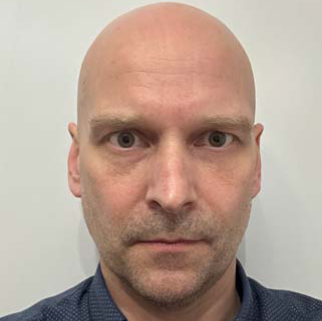
Allan Walton
Professor Allan Walton has expertise in processing of permanent magnetic materials, solid state hydrogen storage materials, hydrogen processing of materials, coating technologies, hydrogen purification membranes and recycling of rare earth materials. Allan is Professor of Critical and Magnetic Materials and is the ex-chair of the UK Magnetics Society. He has published over 35 papers in scientific journals and has contributed to four patents held by the University of Birmingham.
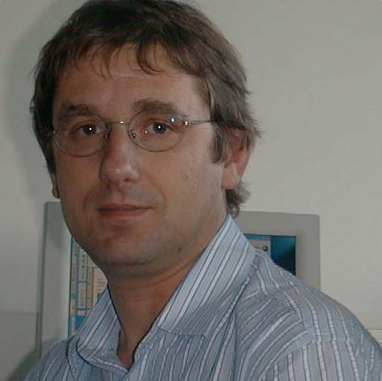
Ales Leonardis
Professor Ales Leonardis is Chair of Robotics at the School of Computer Science, University of Birmingham and Co-Director of the Computational Neuroscience and Cognitive Robotics Centre at the University of Birmingham. He is also Professor of Computer and Information Science at the University of Ljubljana and an Adjunct Professor at the Faculty of Computer Science, Graz University of Technology. He was a visiting researcher at the GRASP Laboratory at the University of Pennsylvania, a post-doctoral fellow at PRIP Laboratory, Vienna University of Technology, and a visiting professor at ETH Zurich and University of Erlangen.
Ashutosh TiwarI
Professor Ashutosh TiwarI is Deputy Vice-President for Innovation at the University of Sheffield and holds the RAEng/Airbus Research Chair. He is internationally renowned for research in digital manufacturing and works in partnership with industry to develop new techniques and solutions for digitalisation, instrumentation, in-process monitoring and real-time simulation of skill-intensive manufacturing processes, such as wing manufacture and engine assembly.
Andrew Dove
Professor Andrew Dove is a Professor of Sustainable Polymer Chemistry, leading the Dove Group lab (www.dovegrouplab.com), which is focused on addressing challenges related to sustainability and circularity in polymers, plastics and elastomers. Professor Dove is co-lead of the Birmingham Plastics Network, an interdisciplinary team of >100 academics working together to shape the fate and sustainable future of plastics. His work extends from polymer science and engineering into science policy in plastic sustainability and he is part of the UK Government Circular Economy Task Force.
Clive Roberts
Professor Clive Roberts is Executive Dean (Science) at Durham University. He was the Director of the BCRRE and previously Head of the School of Engineering. He also founded and led the national UK Rail Research and Innovation Network (UKRRIN). Clive has over 25 years’ experience in Higher Education and a track record in attracting significant research income and in international growth, facilities and partnerships development. Clive’s academic interests cover a range of interdisciplinary areas, including sensing and data analysis; complex system simulation; risk and safety assessment; AI and machine learning; cybersecurity and systems engineering.
Duc Trouong Pham
Professor Duc Trouong Pham’s research covers the fields of mechanical, manufacturing, computer and systems engineering. His academic output includes more than 600 technical papers and 17 books. He has supervised over 100 PhD theses to completion. He has won in excess of £30M in external research grants and contracts. In addition to pursuing and leading research, he has acted as a consultant to several major companies and has been active with knowledge transfer to industry, applying the results of his work to help multinational companies and SMEs generate wealth and create and safeguard jobs.
Emma Kendrick
Professor Emma Kendrick is Chair of Energy Materials, in the School of Metallurgy and Materials at the University of Birmingham, co-director of the Centre for Energy Storage (BCES) and co-lead of the Energy Materials Group (EMG). She has been recognised for her research in sustainable batteries and her continued support to the research community through several awards: 2021 Faraday Institution (FI) Researcher Development Champion; Royal Society of Chemistry (RSC) 2021 Environment, Sustainability and Energy Division Mid-Career Award; and the 2019 Hothersall Memorial Award for outstanding services to Metal Finishing. services to Metal Finishing.
Geraint Jewell
Professor Geraint Jewell is a Professor of Electrical Engineering at The University of Sheffield (UoS). He held an EPSRC Advanced Research Fellowship from 2000 to 2005 and a Royal Society Industry Fellowship with Rolls-Royce PLC from 2006 to 2008. He is Director of the Rolls-Royce University Centre in Advanced Electrical Machines and the EPSRC Future Electrical Machines Manufacturing Hub. He previously served as Head of the Department of Electronic and Electrical Engineering and Vice-President for the Advanced Manufacturing Group. His research interests include the design, modelling, and manufacture of a wide variety of electromagnetic and electromechanical devices.
Justyna Rybicka
Dr Justyna Rybicka is a Technical Specialist at the MTC. Her research experience focuses on operational and strategic level decision-making in manufacturing and wider systems through modelling and simulation. In recent years, she has been developing capabilities around evidencing the sustainability of manufacturing innovation and circularity. She holds a PhD in production engineering from Cranfield University.
Karol Janik
Mr Karol Janik is the Robotics and Automation Technology Manager at the MTC, where he leads the long-term strategy for deploying robotics, automation, and autonomous systems across manufacturing and challenging environments. With over a decade of industrial R&D experience spanning aerospace, nuclear, advanced manufacturing and other sectors, Karol plays a leading role in several European robotics initiatives and associations. He serves on multiple industrial advisory boards for CR&D programmes and is General Chair of the European Robotics Forum 2027, which will be held in Birmingham.
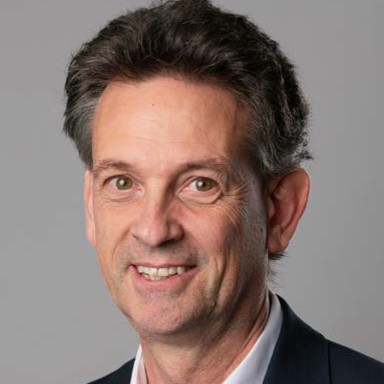
Martin Freer
Professor Martin Freer is Chief Executive Officer of the Faraday Institution. He is Head of Nuclear Physics, Director of the Birmingham Energy Institute and the Birmingham Centre for Nuclear Education and Research at the University of Birmingham. His main research area is the study of the structure of light nuclei, using nuclear reactions. This research is performed at international facilities worldwide. In addition, he is actively engaged in promoting research and educational programmes to support the UK’s investment in nuclear power generation. He received the Friedrich Wilhelm Bessel Prize, Humboldt Foundation, Germany, in 2004 and the Rutherford Medal (IoP) in 2010.
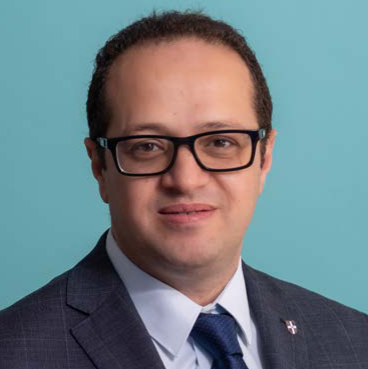
Moataz Attallah
Professor Moataz Attallah is the Dean of the School of AACME at Loughborough University. He also holds a chair in advanced materials processing at the Department of Materials. Previously, he was the Director of Research and Knowledge Transfer at the School of Metallurgy and Materials, University of Birmingham. His research portfolio over the past 20 years has been focused on friction-based welding technologies and laser fabrication technologies, through research partnerships with Rolls-Royce PLC, MBDA, European Space Agency (ESA), ITP, Aero Engine Controls, BAE Systems, TWI, Messier-Bugatti Dowty, MicroTurbo, Meggitt, and Novelis.
Niels Lohse
Professor Niels Lohse is a Deputy Director of the Hub and Professor of Manufacturing Automation and Robotics at the University of Birmingham. He supports the Hub Director and leads the scientific work programme, drawing on his extensive experience in intelligent automation, robotics, and AI. A specialist in human-robot collaboration and smart manufacturing systems, Professor Lohse ensures that cutting-edge research is translated into practical, scalable solutions. He also provides a vital interface to the Co- AIMS research hub, strengthening cross-hub collaboration on sustainable, human-centred automation.
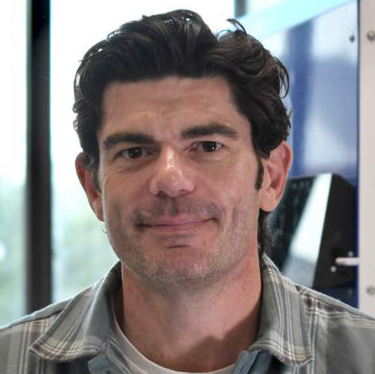
Robert Kay
Professor Robert Kay is a Professor in Advanced Manufacturing at the University of Leeds with extensive experience in both academic and industrial research. He has pioneered disruptive manufacturing techniques, including a patented electroforming process founded to commercialise his innovations. His research spans additive manufacturing, materials, and electronics, supported by EPSRC funding and industrial partnerships. He also contributes to international additive manufacturing standards and is passionate about inspiring the next generation of engineers through teaching and outreach.
Robert Richardson
Professor Robert Richardson, Director of Impact, is a Professor of Robotics at the University of Leeds, leading the Real Robotics Lab. His research focuses on real-world robotic systems operating in the diverse environments of air, land, and underwater; supported by foundational research into manufacturing technologies, control and actuators. Between 2019 and 2023, he was Executive Chair of the EPSRC UK Robotics and Autonomous Systems (UK-RAS) network, with a strong focus on academic engagement and collaboration.
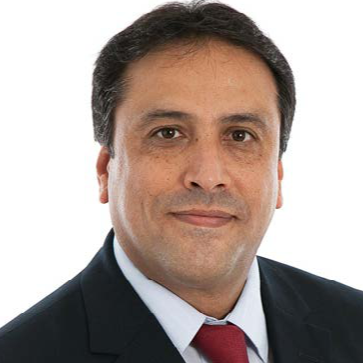
Shahin Rahimifard
Professor Shahin Rahimifard is a Professor of Sustainable Engineering at Loughborough University and the Founder and Director of the Centre for ‘Sustainable Manufacturing and Recycling Technologies (SMART)’. His research work is focused on sustainability issues throughout a ‘Product Lifecycle’, including projects on sustainable product design, resource efficient manufacturing, sustainable business models, and reuse and recycling technologies. These projects have benefited from involvement of a number of high profile global manufacturers and retailers, which include Rolls-Royce PLC, Jaguar Land Rover, GM, Nike, Clarks, Next, Unilever, PepsiCo, Marks & Spencer, and Tesco.
Steve Davis
Dr Steve Davis has more than 25 years’ experience in the field of robotics and is currently a Senior Research Fellow in Robotics at the University of Birmingham. Steve’s research covers many areas of robotics with a specific focus on manufacturing, dexterous robot hands, end effectors, grasping and manipulation, human-robot interaction and collaboration, soft robotics and biologically inspired robot systems. He has worked with many industrial sectors, including automotive, energy (nuclear) and space and has received funding from UKRI, Innovate UK and the EU, in addition to industry-funded research.
Winifred Ijomah
Professor Winifred Ijomah is a Director of The Scottish Institute for Remanufacturing, a pan-Scotland expertise Hub established to spearhead the Circular Economy in Scotland using product recovery. She is the Founding Editor of Springer’s Journal of Remanufacturing, the first academic journal in the remanufacturing field. Professor Ijomah initiated and chaired the first International Conference on Remanufacturing, the first international academic conference for remanufacturing; and now a biennial event running in conjunction with Rematec, the world’s leading remanufacturing exhibition and trade event.
Xichun Luo
Professor Xichun Luo is a Director of Research and Technical Director of Centre for Precision Manufacturing (CPM) at the University of Strathclyde. He is the founding Editor-in-Chief of High-End Manufacturing (a new SciLight Journal), an Associate Editor for Proceedings of IMechE Part C: Journal of Mechanical Engineering Science, and Journal of Micromanufacturing, and Nanomanufacturing and Metrology. His team established the world’s first six-axis hybrid micromachine and developed a novel digital twin-driven smart micromanufacturing system.
Yan Wang
Professor Yan Wang is a Professor in Circular Manufacturing, focusing on remanufacturing with case studies ranging from automotive, moulds and dies, machine tools, non-road mobile machinery, medical devices, etc. She was named as one of the “30 Most Inspiring Women” by KTN and The Manufacturer magazine in 2021. She chairs BSI standards for remanufacturing (TPR1/7/3), with her knowledge embedded in British Standards Institution (BSI) standards, e.g. BS8887. Working closely with industry, she has generated £6 million of economic benefits for businesses through two Knowledge Transfer Partnership projects.
Yongjing Wang
Dr Yongjing Wang is an Associate Professor in the Department of Mechanical Engineering, School of Engineering, University of Birmingham. In the area of smart robotics for sustainable manufacturing, Wang is the Principal Investigator of the three EPSRC grants with a total value of £3.5M (ATARI, STAMAN and RoboTriage) and has over 60 publications. Wang’s research work has been supported by world-leading companies in the aerospace, automative and recycling industries in the UK, EU, US and China. He is on the advisory board of the United Nations Higher Education Sustainability Initiative, an editor of the United Nations guidelines on artificial intelligence for sustainability, and an invited member of a standard committee with the British Standards Institution (BSI), UK.
Operational Team
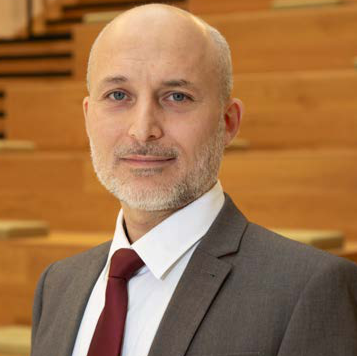
Osama Olaby
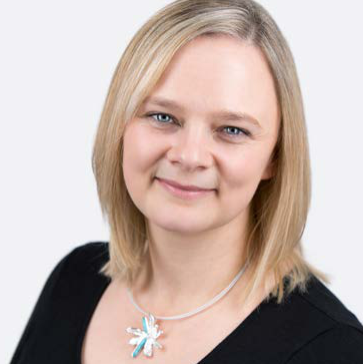
Sarah Field
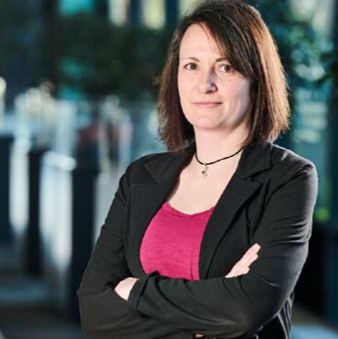
Aurelie Tolton

Samuel King
Osama Olaby
Organisation: University of Birmingham
Dr Osama Olaby is the Technical Manager of the Hub. Over the past two decades, he has accumulated extensive experience in research and teaching across four different countries. His diverse experience, spanning both academia and industry in the UK and abroad, has provided him with a unique perspective on Control Engineering, Mechatronics, Systems Integration and Automation. This perspective is enriched by his work in multidisciplinary areas like Medical Robotics, Health Care, and Rail Transport.
Sarah Field
Organisation: University of Leeds
Dr Sarah Field is Community Engagement Lead and Project Manager at the University of Leeds. Sarah has held Technical Director roles in SMEs and Spin-Out companies, and recently led knowledge exchange and relationship development for multiple academic projects.
Aurelie Tolton
Organisation: MTC
Aurelie Tolton is a Project Manager at the MTC, working primarily on government-funded projects such as Innovate UK (IUK), Department of Energy Security and Net Zero (DESNZ), and the Engineering & Physical Sciences Research Council (EPSRC) projects. Aurelie has over 15 years of experience managing projects in both R&D and production environments.
Samuel King
Organisation: University of Birmingham
Mr Samuel King is a Senior Project Manager in the School of Metallurgy and Materials at the University of Birmingham. He manages the Birmingham Centre for Strategic Elements and Critical Materials (BCSECM) and the Magnetic Materials Group (MMG). Sam oversees major projects including RECREATE (EPSRC), REESilience (EU), and a commercial magnet recycling facility, focusing on REEs, permanent magnets, and collaboration with academic and industrial partners.