
Flagship 2
Medical Devices
Flagship lead
Professor Shahin Rahimifard (Loughborough University)
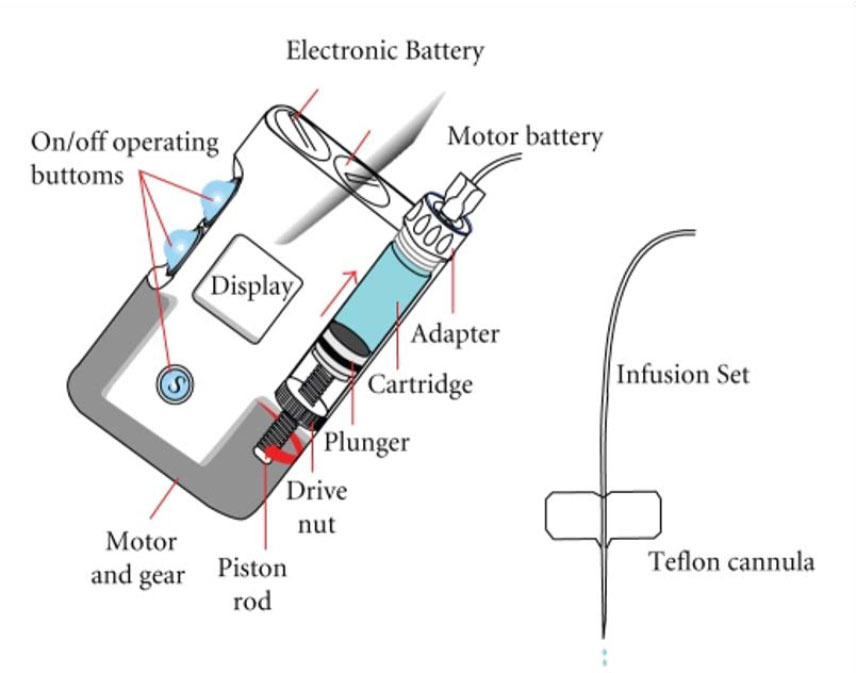
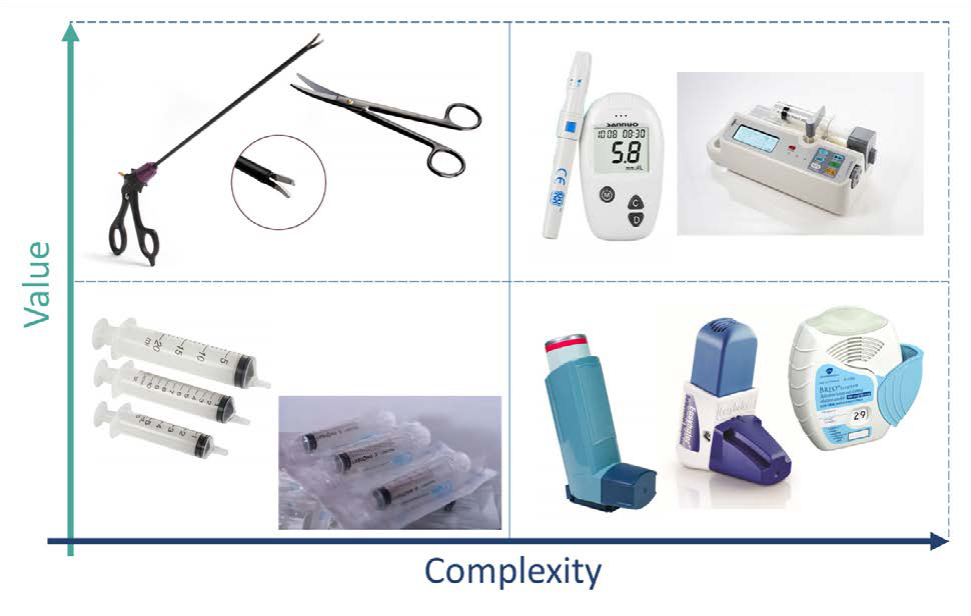
The proliferation of the range and number of medical treatments, their inherent reliance on the use of Medical Devices as well as an aging population and rapid growth in the number of patients seeking the most advanced treatments globally has resulted in a perfect storm which is threatening the long-term resilience of supply chains as well as fair and equitable access to such devices across the world. This highlights the urgent need for investigating the application of the Circular Economy in the MedTech sector.
There are many challenges in implementation of a circular economy approach for medical devices, including:
- decontamination of MDs before reuse,
- product redesign and complexity in recertification due to the wide range of national and international regulations and standards,
- new medical grade materials upgrade and substitution,
- new circular business models for supply and recovery chains,
- many novel technologies required for the repair, remanufacturing and material recycling.
Three flagship projects are being scoped and defined to demonstrate the applicability of the circular economy for medical devices:
Diabetes waste management
The project will investigate and develop sustainable strategies and practical solutions for minimisation, collection and recovery of medical waste associated with the treatment of 4.6 million diabetes patients in the UK, in particular those generated in patients’ homes.
Clinical e-waste recovery
Clinical e-waste recovery, which will focus on recovery and reprocessing of a range of electrical and electronic medical devices that come in contact with patients (ranging from embedded sensors and pain management devices to laser laparoscopic and shears) and should not be processed with general Waste Electrical and Electronic Equipment (WEEE) (e.g. NHS computers, monitors, kitchen equipment, etc).
Servitisation models for complex medical equipment
Servitisation models for complex medical equipment, which includes devices such as MRI and other scanning devices, surgical robots, etc. At the heart of making an economically viable business case for such a servitisation model is the challenges in remanufacturing and reuse of parts and components in such devices and similar products.
These timely and impactful flagship projects have the potential to showcase the research results in RESCu-M2 research themes (sensors, product digital passport, design for remanufacturing, etc.) and will be undertaken in close collaboration with research teams in themes 1-7.
Get in touch
Write us an email at [email protected] or fill in the form below.